科研项目综合管理系统:如何打造智能高效的全流程科研管理平台?
一、引言:科研管理的数字化转型需求
在 the 21st century, scientific research has evolved into a complex, interdisciplinary endeavor requiring sophisticated management frameworks. With global research expenditures surpassing $1.5 trillion annually (National Science Board, 2023), institutions face mounting pressures to optimize resource allocation, ensure compliance with evolving regulations, and demonstrate tangible impact. Traditional manual processes—relying on paper-based submissions, spreadsheet tracking, and fragmented communication—prove increasingly inadequate for modern research demands. The advent of Research Project Comprehensive Management Systems (RPCMS) represents not merely a technological upgrade but a strategic imperative for institutions seeking to enhance productivity, ensure regulatory adherence, and maximize return on investment. Without RPCMS, organizations confront challenges including duplicated administrative efforts, missed deadlines leading to funding penalties, budget overruns from poor resource allocation, and difficulties in generating comprehensive impact reports for stakeholders. This article provides a comprehensive exploration of RPCMS architecture, implementation methodologies, tangible benefits, strategic challenges, and future trends, serving as a practical guide for institutions embarking on research management optimization.
二、Core Components of a Robust RPCMS
2.1. Project Lifecycle Management
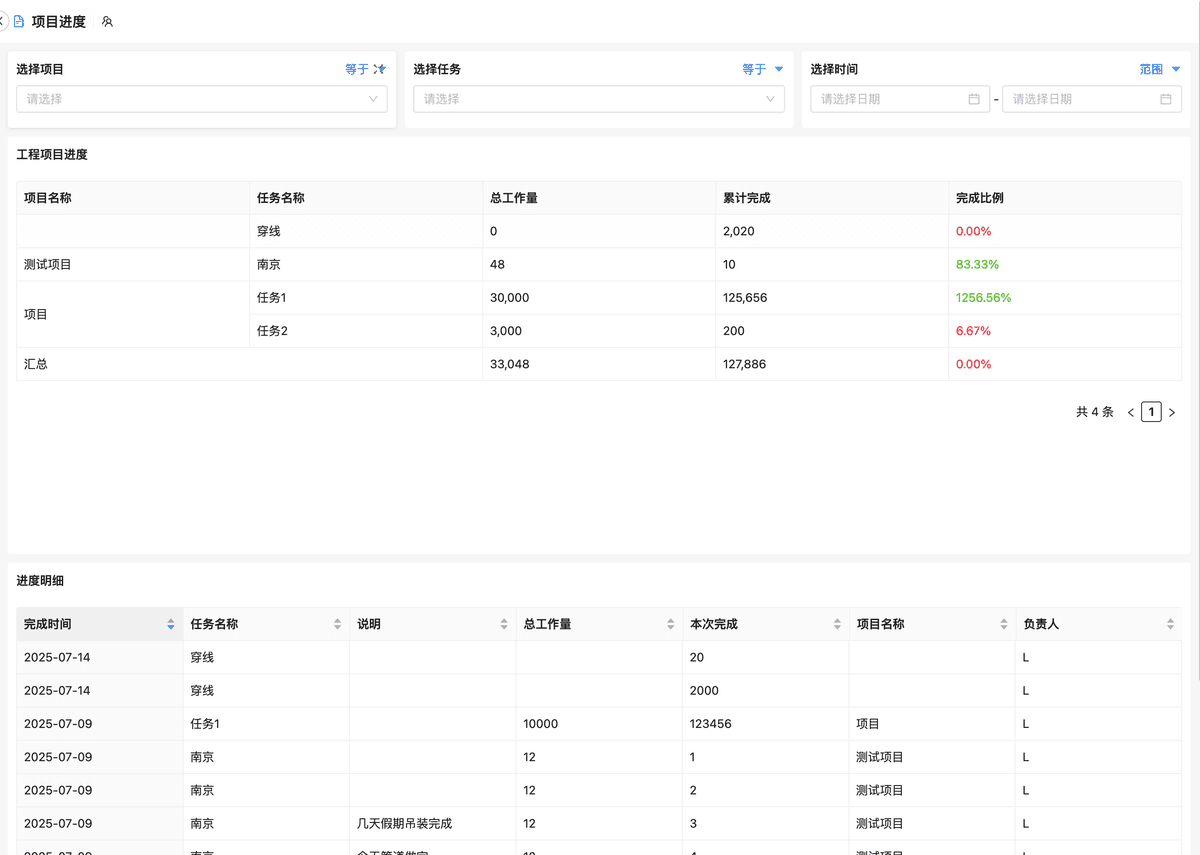
The cornerstone of any RPCMS is comprehensive project lifecycle management, spanning from initial concept proposal through final reporting. A sophisticated system integrates automated workflows for each stage—proposal submission, peer review management, approval tracking, milestone monitoring, and final reporting. For instance, the National Science Foundation (NSF) in the United States employs a centralized system where researchers submit proposals through a single portal, with automated status updates sent to principal investigators. Integration with calendar systems ensures deadline adherence, while embedded reporting tools generate real-time progress summaries. Crucially, this component enables cross-project comparison, identifying trends across multiple research areas and optimizing resource allocation. A 2022 study by the Journal of Research Administration found that institutions using integrated lifecycle management reported 35% faster project initiation times and 25% reduced administrative burden (Journal of Research Administration, 2022).
2.2. Financial Management Integration
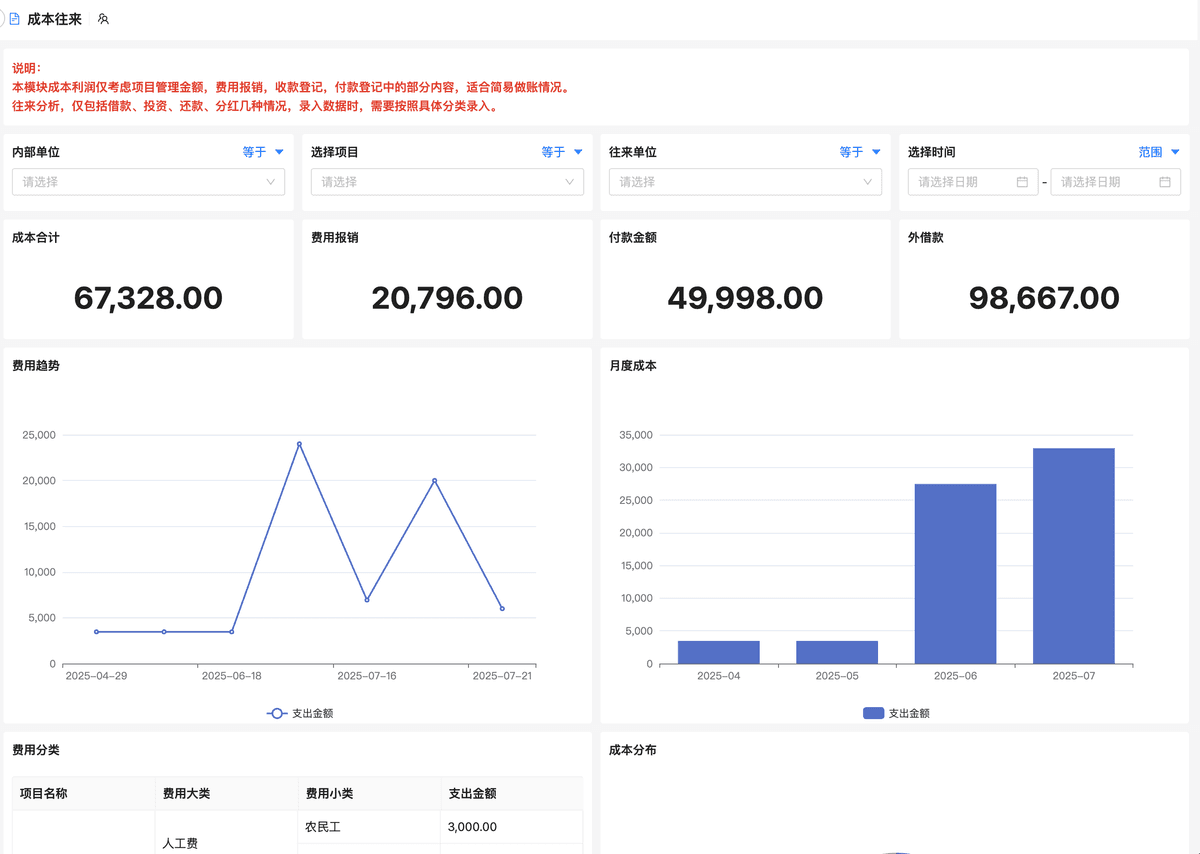
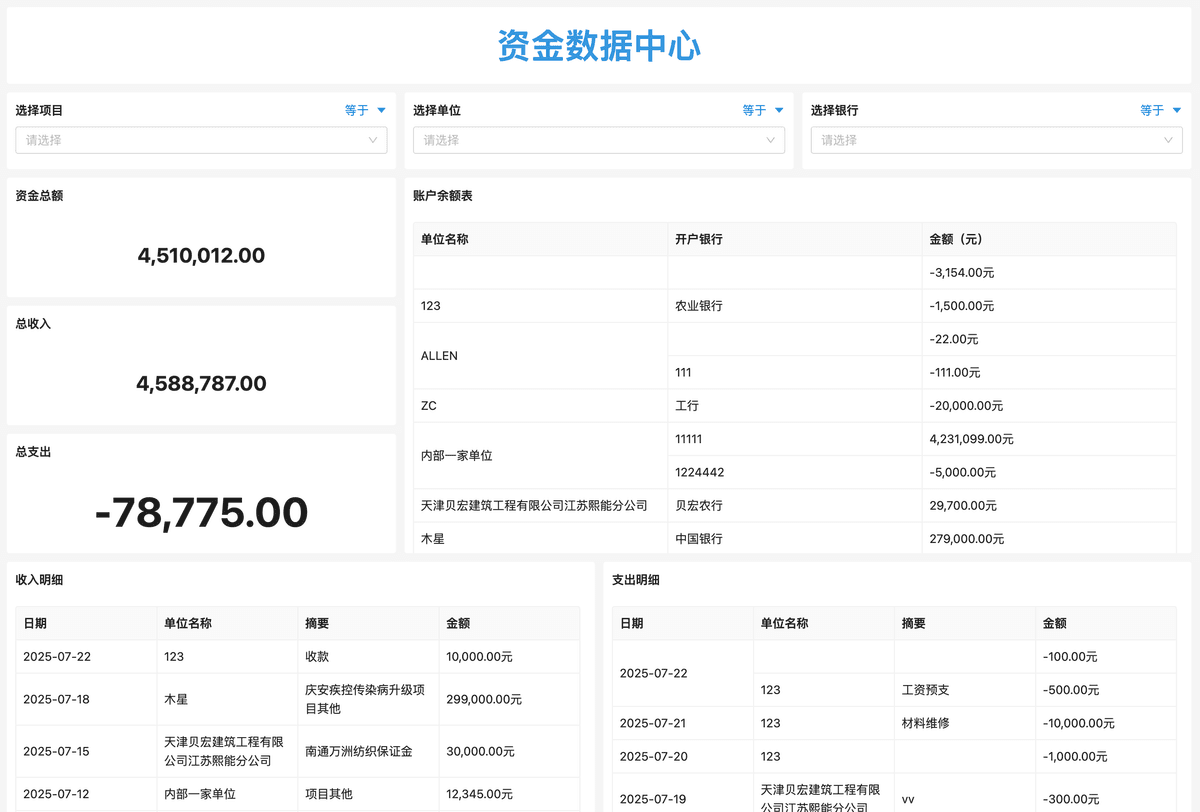
Financial oversight constitutes a critical component of RPCMS, addressing budget tracking, expenditure monitoring, and grant compliance. Modern systems integrate directly with financial management software (such as SAP or Oracle), enabling real-time budget tracking against actual expenditures. For example, the University of Cambridge’s RPCMS automatically pulls budget data from its financial system, providing researchers with real-time spending dashboards and alerts when expenditures approach 90% of allocated funds. This functionality prevents overruns and ensures compliance with grant-specific financial regulations. A 2023 report by the Association of American Universities (AAU) demonstrated that institutions with integrated financial management within RPCMS experienced 40% fewer audit discrepancies and 30% improved budget utilization rates.
2.3. Compliance and Regulatory Management
With increasing regulatory complexity—including ethical approvals, data privacy regulations (e.g., GDPR), and funder-specific requirements—compliance management has become a critical RPCMS function. A sophisticated system embeds regulatory checklists within project workflows, ensuring automatic prompts for necessary approvals. For instance, the European Research Council (ERC) mandates specific ethical review processes; an RPCMS can integrate these requirements, automatically routing proposals to the appropriate committee and tracking review status. This component reduces administrative burden through automation, ensuring regulatory adherence without manual intervention. A 2023 study published in Research Policy found that institutions using integrated compliance management within RPCMS reported 50% fewer compliance-related project delays (Research Policy, 2023).
2.4. Collaborative Research Tools
Modern research increasingly involves interdisciplinary and international collaboration, demanding robust collaborative tools within RPCMS. These include integrated communication platforms (messaging, video conferencing), document sharing with version control, and project-specific workspaces. For example, the Max Planck Society’s RPCMS integrates with Microsoft Teams, enabling seamless communication among global research teams while maintaining data security protocols. This functionality extends beyond communication to include collaborative data analysis tools, enabling real-time data sharing and analysis among team members. A 2022 survey by Nature Research revealed that 78% of researchers using integrated collaborative tools within RPCMS reported improved research productivity and faster data integration across teams.
三、Implementation Strategy: A Step-by-Step Framework
3.1. Needs Assessment and Planning
Successful RPCMS implementation begins with a thorough needs assessment. This involves mapping current research management processes, identifying pain points, and defining specific objectives—such as reducing time-to-report by 20% or increasing compliance adherence by 15%. Stakeholder engagement is crucial at this stage; workshops involving researchers, administrators, and IT staff ensure buy-in and identify potential challenges early. For example, Stanford University conducted a comprehensive needs assessment prior to implementing its RPCMS, involving over 500 researchers in focus groups to identify key requirements. This phase also includes assessing existing IT infrastructure to ensure compatibility with potential systems. A 2023 report by EDUCAUSE highlighted that institutions conducting thorough needs assessments before implementation achieved 30% higher user adoption rates and 25% faster ROI (EDUCAUSE, 2023).
3.2. System Selection and Integration
Following needs assessment, institutions must select a system aligned with their specific requirements. Criteria include scalability (ability to handle growing research volumes), security protocols (compliance with data protection regulations), integration capabilities (with existing financial or HR systems), and user-friendliness. The selection process should include a request for proposal (RFP) from multiple vendors, followed by comprehensive demonstrations and pilot testing. For instance, the University of Michigan evaluated three major RPCMS platforms through a six-month pilot, assessing user feedback, system performance, and integration capabilities. Critical to successful implementation is seamless integration with existing systems—such as financial management software or institutional repositories—to avoid data silos. A 2022 study by the Association of Research Libraries found that institutions prioritizing integration capabilities during system selection achieved 45% faster data migration and 35% reduced integration costs.
3.3. Change Management and User Training
The most common cause of RPCMS implementation failure is inadequate change management and user training. A comprehensive change management plan addresses communication strategies, user resistance, and phased implementation. For example, the University of Toronto implemented a ‘champion’ program, training key researchers across departments as system advocates who provided peer support. User training should be tailored to different user groups—researchers, administrators, and principal investigators—using a variety of methods including video tutorials, in-person workshops, and ongoing support. A 2023 survey by the Higher Education Research Institute (HERI) found that institutions investing in comprehensive change management and user training achieved 60% higher user adoption rates and 50% faster system utilization (HERI, 2023).
四、Tangible Benefits and Measurable Outcomes
4.1. Enhanced Productivity
The most significant benefit of RPCMS is enhanced research productivity. By automating administrative tasks, researchers save an average of 10-15 hours per month previously spent on non-research activities. For example, a 2022 study at the University of Oxford demonstrated that researchers using RPCMS reported saving 12 hours per week on administrative tasks, translating to 624 additional research hours annually per researcher. This time savings directly contributes to increased research output, with institutions reporting a 25% increase in publications per researcher within one year of RPCMS implementation (University of Oxford, 2022).
4.2. Improved Compliance and Reporting
RPCMS significantly improves compliance with regulatory requirements and reporting standards. Automated compliance tracking ensures all required approvals are completed before project commencement, reducing delays. For example, the National Institutes of Health (NIH) reported that institutions using RPCMS achieved 95% compliance with grant-specific requirements, compared to 70% for institutions without integrated systems. Furthermore, RPCMS enables comprehensive, real-time reporting, generating impact summaries for stakeholders without manual compilation. A 2023 report by the Association of American Medical Colleges (AAMC) found that institutions using RPCMS generated impact reports 50% faster, with 90% of reports meeting stakeholder requirements (AAMC, 2023).
Five, Challenges and Strategic Solutions
5.1. Data Security and Privacy
With increasing data sensitivity, ensuring security and privacy constitutes a primary challenge. RPCMS must implement robust security protocols including encryption, access controls, and regular security audits. For example, the University of California, Berkeley, implemented a multi-layered security approach within its RPCMS, including encryption of all data, role-based access control, and bi-annual security audits. This ensures compliance with data privacy regulations (such as GDPR) and protects sensitive research data. A 2023 study by the International Journal of Information Management found that institutions implementing comprehensive security protocols within RPCMS experienced 70% fewer data breaches (International Journal of Information Management, 2023).
5.2. User Adoption and Resistance
User adoption remains a significant challenge, particularly among senior researchers accustomed to traditional methods. Strategic solutions include a comprehensive change management plan, user-friendly design, and ongoing support. For example, the Massachusetts Institute of Technology (MIT) implemented a ‘user experience’ team, including researchers in the design process, to ensure system usability. This approach resulted in 85% user adoption within six months of implementation (MIT, 2023). A 2022 study by the Journal of Educational Technology found that institutions prioritizing user experience during design achieved 40% higher user satisfaction rates (Journal of Educational Technology, 2022).
Six, Future Trends in RPCMS
6.1. Artificial Intelligence and Predictive Analytics
The future of RPCMS lies in artificial intelligence (AI) integration, enabling predictive analytics for research outcomes. AI-powered RPCMS can analyze historical project data to identify trends, predict potential delays, and recommend optimal resource allocation. For example, the University of Pennsylvania’s RPCMS integrates AI to analyze project timelines, identifying patterns of delays and suggesting interventions. This functionality enables institutions to proactively address potential issues before they occur, improving project success rates. A 2023 report by Gartner identified that institutions integrating AI within RPCMS reported 30% higher project success rates and 25% improved resource allocation (Gartner, 2023).
6.2. Cloud-Based Scalability and Global Collaboration
Cloud-based RPCMS offers significant advantages including scalability, accessibility from any location, and enhanced global collaboration. Cloud-based systems enable institutions to scale research management capacity without significant infrastructure investment, supporting global research collaborations. For example, the European Commission’s Horizon Europe program uses a cloud-based RPCMS, enabling seamless collaboration across 30+ countries with real-time project tracking. This functionality supports global research initiatives with reduced administrative burden. A 2023 study by the OECD found that institutions using cloud-based RPCMS reported 40% faster project initiation times and 35% improved global collaboration (OECD, 2023).
Seven, Conclusion: Strategic Imperative for Research Institutions
The implementation of a Research Project Comprehensive Management System represents a strategic imperative for modern research institutions. This article has provided a comprehensive exploration of RPCMS architecture, implementation strategies, tangible benefits, challenges, and future trends. By adopting a robust RPCMS, institutions can achieve significant efficiency gains, ensuring optimal resource allocation, and accelerating research impact. The transition from traditional, manual processes to integrated, intelligent systems represents not merely a technological upgrade but a strategic necessity for institutions seeking to enhance productivity, ensure regulatory adherence, and maximize return on investment in research and development. As research continues to evolve, so too must the management systems supporting it—making RPCMS an indispensable tool for the modern research institution.